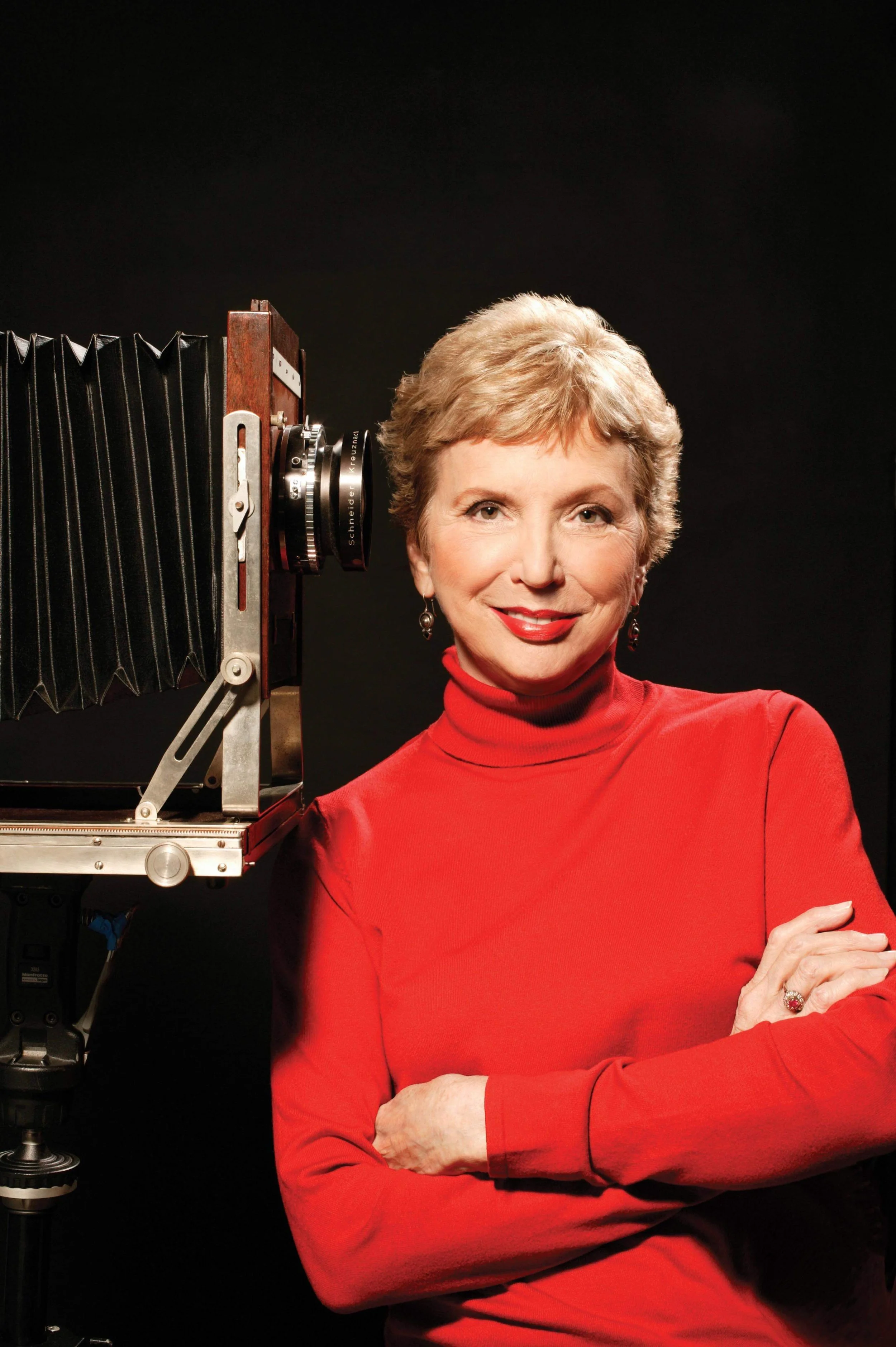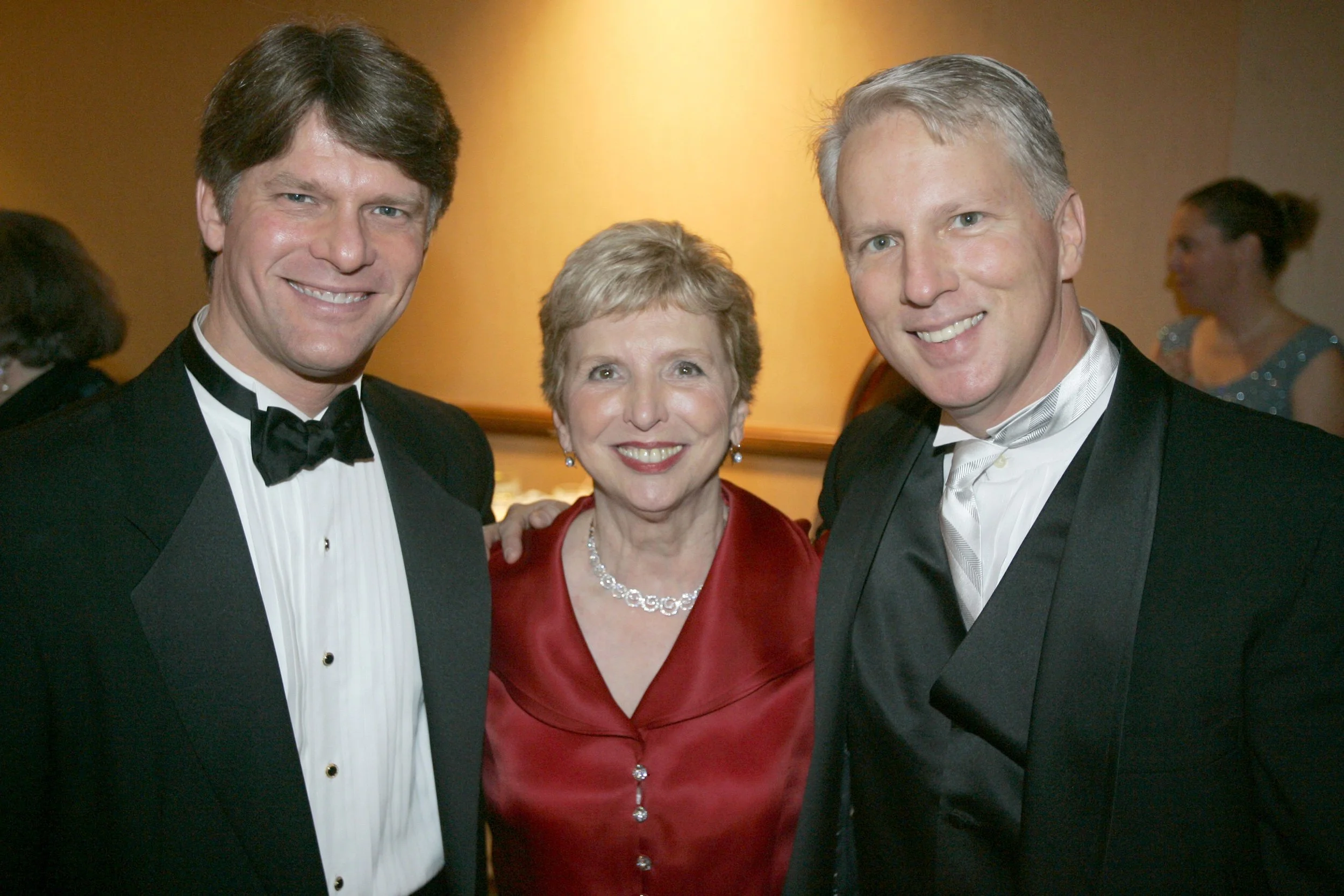
Phyllis Brandon (1935-2020)
Phyllis Louise Dillaha Brandon was born on July 31, 1935, in Little Rock, the only daughter of Calvin Arthur Dillaha, a pharmacist, and Vera Burt Dillaha. She discovered journalism in junior high when she and her classmates convinced their English teacher to launch a school newspaper—and won a prize for one of her first articles. By her senior year at Little Rock High School (now Central High), she was editor of the Tiger. She went on to earn a journalism degree from the University of Arkansas in 1957, where she was associate editor of the Arkansas Traveler, elected secretary of the senior class, inducted into Mortar Board, and named to Who's Who in American Colleges and Universities.
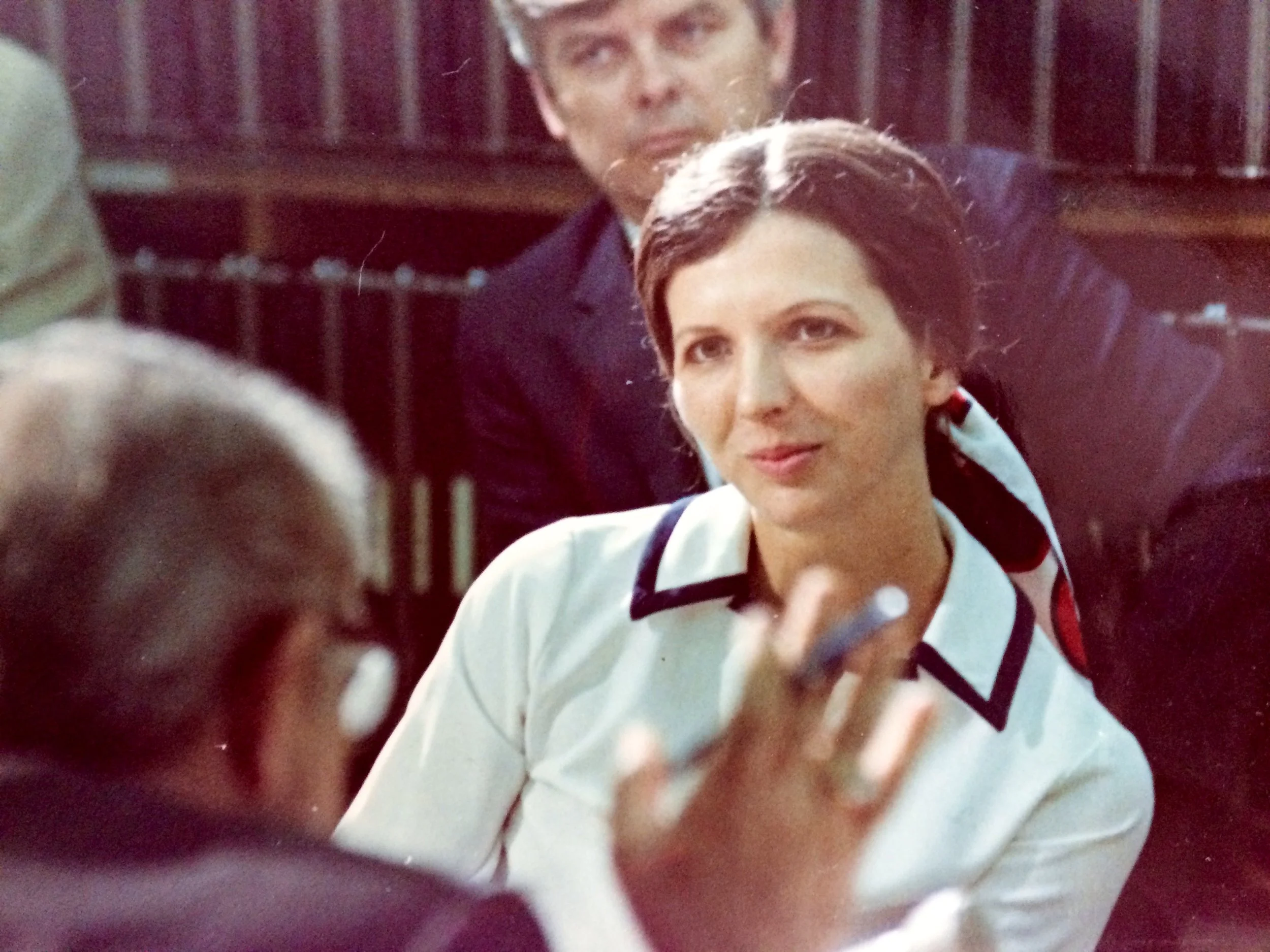
Returning to Little Rock as one of just two women reporters at the Arkansas Democrat, Phyllis was quickly assigned to one of the most consequential stories in Arkansas history. In September 1957, her editors sent her to Central High School—bobby socks and National Honor Society pin in place—hoping she could slip inside as a student during the integration crisis. She arrived to find guards at every door. Instead, she stood in the crowd of protesters, reported the mob scene, and called in her story from a pay phone at a nearby filling station. She was also an original member of the Women's Emergency Committee to Open Our Schools, one of the first organized groups of white moderate women to publicly oppose Governor Faubus and demand that the city's closed high schools be reopened.
After marrying and raising two sons, Phyllis remained deeply engaged in civic life. As president of the Little Rock PTA Council in 1974, she formed a committee to investigate school lunch quality and began asking questions about the price of milk. When the cafeteria director mentioned the price was "always the same," Phyllis recognized price-fixing immediately. The subsequent antitrust lawsuit went all the way to the U.S. Supreme Court—the dairies lost, executives went to prison, and Little Rock schools began paying significantly less for milk. It was, as the Pryor Center for Arkansas Oral and Visual History noted, an antitrust settlement that made Arkansas history.
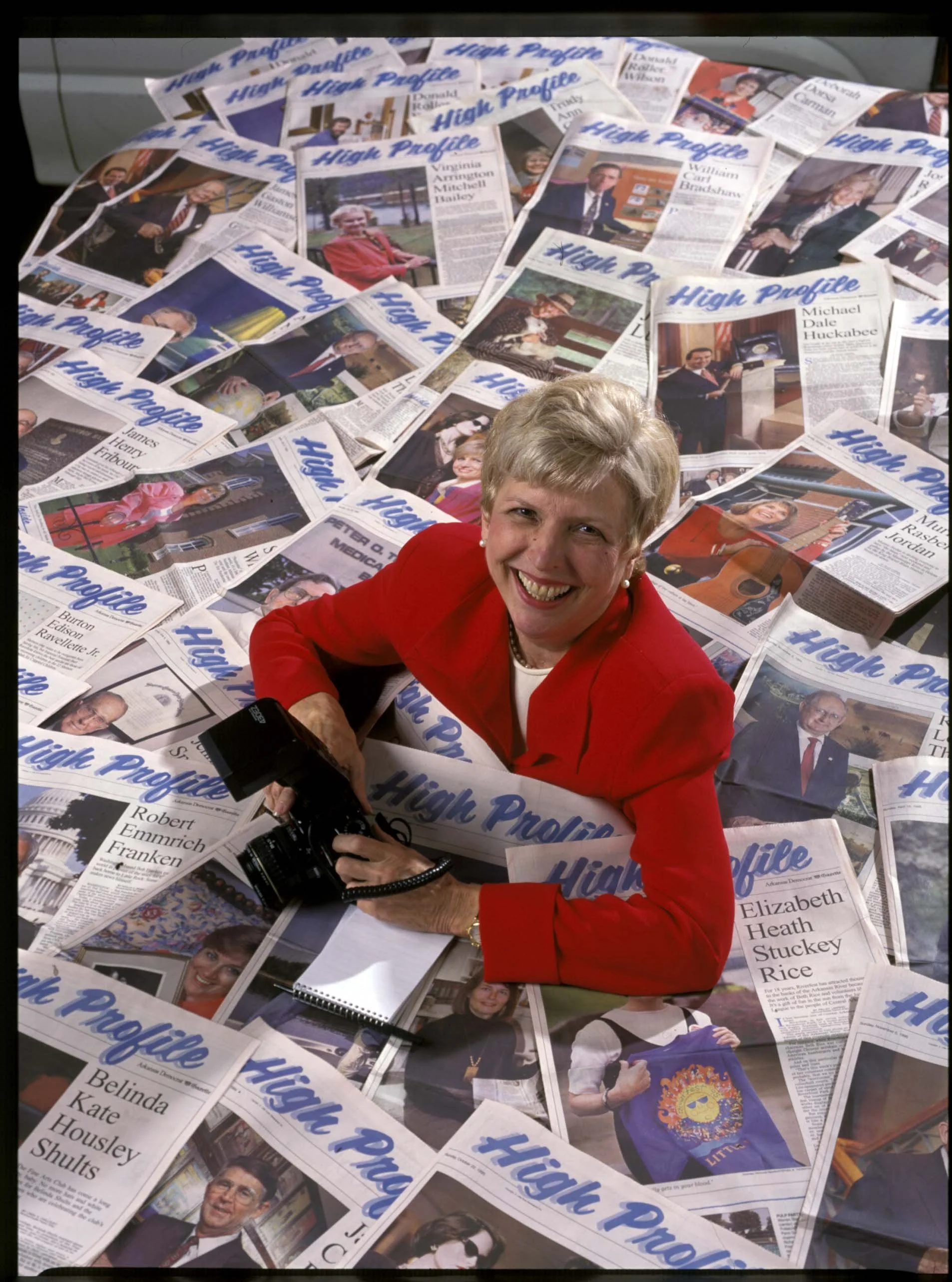
In 1986, publisher Walter Hussman invited Phyllis to found the High Profile section of the Arkansas Democrat. For twenty-three years, she produced weekly cover profiles of Arkansans making a difference—interviewing General Wesley Clark at NATO headquarters in Belgium, covering Clinton White House state dinners, reporting from Paris and London, and championing the state's cultural and philanthropic life with her camera always in hand. Bill Clinton later said, "Phyllis had a gift for telling stories and celebrating Arkansans. Her profiles gave us honest portraits and offered rare insights to the people who were making a difference. She was a trailblazer in the newsroom who served as a mentor to dozens of reporters who came along after her." When she left the section, editor Griffin Smith signed her farewell card: "Thanks for winning the newspaper war."
Phyllis Brandon was inducted into the University of Arkansas Journalism Hall of Fame, recognized by Watershed for her philanthropic journalism, and named the inaugural Arkansas Woman of the Year by Women and Children First in 2007. She served on the Pulaski County Election Commission, was twice a delegate to the Democratic National Convention, and was a lifelong Episcopalian and member of Rotary Club 99. She died on January 11, 2020, in Little Rock at age 84, survived by her sons Alex—a two-time Pulitzer Prize winner—and Philip, two grandchildren, and a great-granddaughter. For six decades, she told other people's stories with warmth, precision, and an unerring instinct for what mattered. In doing so, she wrote a remarkable story of her own.